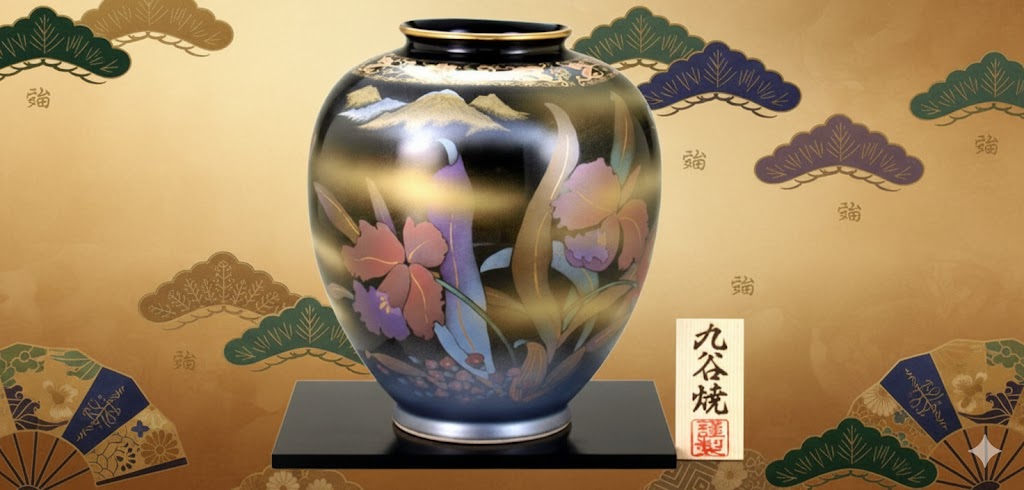
Kutani-yaki
Kutani-yaki (Kutani Ware) is a traditional Japanese polychrome porcelain originating from Ishikawa Prefecture. It dates back to the 17th-century Edo period and is most famous for its vibrant "Kutani Gosai" (the five colors: red, green, yellow, purple, and blue). Renowned for its bold, intricate hand-painted designs, it is considered one of the pinnacles of Japanese ceramic art. Following a history of decline and revival, modern Kutani-yaki blends traditional techniques with contemporary lifestyle, making it a sophisticated art form valued for both collection and daily use.
Key Features of Kutani-yaki:
-
Kutani Gosai (Five Colors): Uses a foundation of green, yellow, red, purple, and blue to create deep, saturated tones.
-
Bold Artistic Style: Known for its rich coloration and expertise in depicting figures, flowers, birds, and landscapes.
-
Diverse Varieties: Includes the classic "Ko-Kutani" (Old Kutani) and the intricate "Aka-e" (red painting) styles.
-
Modern Collaborations: Recently, the craft has evolved through collaborations with Disney and modern artists, including brands like KUTANI SEAL, which utilizes refined transfer techniques to add a touch of modern wit.